
NOTICIAS

Dependiendo del tipo y grado de la enfermedad, la carga puede resultar insoportable para las familias, y alterar el ritmo de vida de todos los involucrados. Por eso, en este artículo queremos hacer foco en cómo brindar apoyo a familias con enfermedades neurológicas.

¿QUÉ SON LAS ENFERMEDADES NEUROLÓGICAS?
Las enfermedades neurológicas son aquellas que afectan al sistema nervioso, que es el sistema responsable de controlar las funciones del cuerpo, como el movimiento, el pensamiento, el habla y la memoria.

Las enfermedades neurológicas pueden ser causadas por una variedad de factores, incluyendo lesiones, infecciones, trastornos genéticos y factores ambientales. Algunos ejemplos de enfermedades neurológicas son el Alzheimer, el Parkinson y las leucodistrofias.

¿CÓMO IMPACTAN LAS ENFERMEDADES NEUROLÓGICAS EN LAS PERSONAS Y SUS FAMILIAS?
Muchas de estas enfermedades producen efectos incapacitantes de distintos grados y de largo plazo, por lo que la calidad de vida de los pacientes se ve alterada, tanto económica como social y afectivamente.

Pero no solo se altera su forma de vivir, sino la de todo su entorno, especialmente de quienes deben tomar el rol de cuidadores.

Hay que tener en cuenta que quien sufre alguna de estas enfermedades raras, además de padecer consecuencias físicas, padece graves complicaciones psicológicas desde el mismo momento en que recibe el diagnóstico, ya que enfrentará miedos, ansiedad, tristeza y frustración. Además, claro está, de las propias consecuencias psicológicas de la enfermedad.

Como consecuencia, sus familias pueden sentirse estresadas, agotadas y preocupadas por el bienestar de su ser querido y por cómo será el futuro para ellos.

LA IMPORTANCIA DE LAS REDES DE APOYO PARA LAS FAMILIAS
Las redes de apoyo a las familias incluyen distintos actores, como grupos de apoyo, asociaciones benéficas, profesionales de la salud y organizaciones especializadas.

Distintas publicaciones de especialistas muestran que una red de apoyo estable puede generar una ralentización en el avance de la enfermedad. También demuestran que, si el apoyo está puesto en un único cuidador, este sufrirá un deterioro en su propia salud, debido al desgaste físico y mental que significa ser responsable del cuidado de una persona con una enfermedad neurológica. Por eso es fundamental poder contar con una red más amplia que incluya a profesionales capacitados.

Las familias pueden apoyarse en alguna fundación de ayuda social o en grupos de apoyo, donde encontrarán más personas que están atravesando las mismas dificultades, y por lo tanto se sentirán más contenidos, menos solos, y encontrarán consejos que podrían serles útiles.

También es importante intentar educar al círculo social de las familias, para que puedan comprender mejor la situación y actuar con empatía, ofreciendo soporte afectivo y brindando recursos que disminuyan la sobrecarga en las tareas de cuidado.

Una alternativa muy útil son los centros de día, donde los pacientes pueden realizar actividades de socialización. Además, al estar cuidados por especialistas durante varias horas, esto les permite a sus familiares poder retomar parte de su vida, como reincorporarse a sus actividades laborales y educativas o, simplemente, tomar un breve descanso.

APOYO EMOCIONAL A PACIENTES Y A FAMILIAS
El apoyo emocional es un aspecto fundamental para ayudar a las personas con enfermedades neurológicas y a sus familias a afrontar los desafíos físicos y psicológicos que acarrean estas enfermedades. Brindando apoyo emocional, podemos ayudarles a sentirse menos solos y a afrontar los desafíos de la enfermedad con mayor fortaleza.

Estos son algunos consejos específicos para brindar apoyo emocional a pacientes de enfermedades neurológicas y a sus familias:

  • Evita las frases trilladas como «todo va a salir bien» o «no te preocupes, lo superarás». Estas pueden resultar insensibles y no ayudan a la persona a sentirse comprendida.
  • No intentes solucionar los problemas de la persona, simplemente escucha y ofrece tu apoyo.
  • Recuerda que, por las propias consecuencias de las enfermedades, los pacientes pueden tener dificultades en el habla o en la memoria, por lo que debes practicar tu paciencia y tu empatía para poder brindar un soporte efectivo y afectivo.
  • Respeta los límites de la persona; no la presiones a hablar si no quiere.
  • Conecta a la familia con otros que estén pasando por lo mismo. Busca grupos de apoyo, como asociaciones benéficas que trabajan con enfermedades raras o neurológicas. Estos grupos pueden ser una gran fuente de apoyo y comprensión.
  • Cuida de ti mismo. Brindar apoyo emocional puede ser agotador, así que cuida tu propio bienestar físico y emocional.

CONCIENCIACIÓN Y EDUCACIÓN
La concienciación es importante para que las personas entiendan lo que son las enfermedades neurológicas y cómo pueden afectar a las personas y a sus familias. Por eso creemos que desde las fundaciones de ayuda social se debe trabajar sobre la toma de conciencia y la educación, tanto en las consecuencias de estas enfermedades como en las distintas formas en que se puede ayudar a los enfermos y a sus familias.

La concienciación puede ayudar a reducir el estigma asociado a estas enfermedades y a mejorar la comprensión de las necesidades de las personas afectadas.

Por otro lado, la educación es importante para ayudar a las familias a comprender la enfermedad y a aprender a afrontar los desafíos que conlleva. También puede ayudar a las familias a tomar decisiones más informadas sobre el tratamiento y el cuidado de su ser querido.

Algunas de las formas de promover la concienciación y la educación sobre las enfermedades neurológicas son:

  • Publicar información sobre las enfermedades neurológicas en los medios de comunicación, en blogs y en redes sociales.
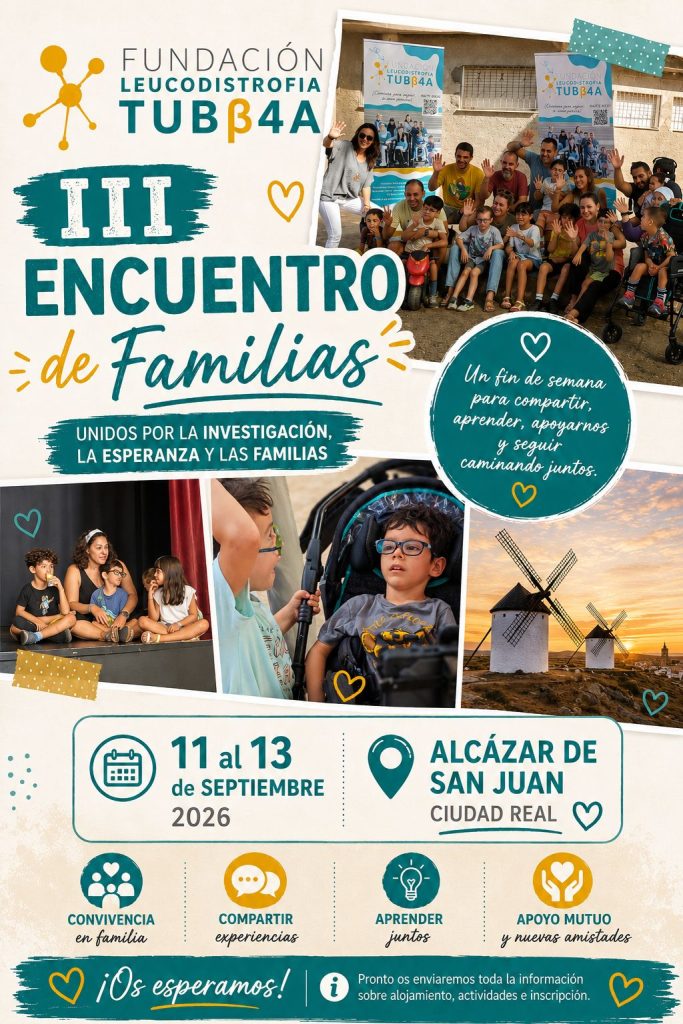
  • Organizar eventos de concienciación y educación en la comunidad.
  • Ofrecer cursos y talleres sobre las enfermedades neurológicas, tanto para profesionales de la salud como para el público en general.

Al final, el esfuerzo por fomentar el conocimiento de la comunidad general relativo a este tipo de enfermedades juega un rol clave en la calidad de vida de las personas que las sufren, así como en las de su familia.

Close Menu
We use cookies to personalise content and ads, to provide social media features and to analyse our traffic. We also share information about your use of our site with our social media, advertising and analytics partners.
Cookies settings
Accept
Privacy & Cookie policy
Privacy & Cookies policy
Cookie name Active

Privacy Policy

What information do we collect?

We collect information from you when you register on our site or place an order. When ordering or registering on our site, as appropriate, you may be asked to enter your: name, e-mail address or mailing address.

What do we use your information for?

Any of the information we collect from you may be used in one of the following ways: To personalize your experience (your information helps us to better respond to your individual needs) To improve our website (we continually strive to improve our website offerings based on the information and feedback we receive from you) To improve customer service (your information helps us to more effectively respond to your customer service requests and support needs) To process transactions Your information, whether public or private, will not be sold, exchanged, transferred, or given to any other company for any reason whatsoever, without your consent, other than for the express purpose of delivering the purchased product or service requested. To administer a contest, promotion, survey or other site feature To send periodic emails The email address you provide for order processing, will only be used to send you information and updates pertaining to your order.

How do we protect your information?

We implement a variety of security measures to maintain the safety of your personal information when you place an order or enter, submit, or access your personal information. We offer the use of a secure server. All supplied sensitive/credit information is transmitted via Secure Socket Layer (SSL) technology and then encrypted into our Payment gateway providers database only to be accessible by those authorized with special access rights to such systems, and are required to?keep the information confidential. After a transaction, your private information (credit cards, social security numbers, financials, etc.) will not be kept on file for more than 60 days.

Do we use cookies?

Yes (Cookies are small files that a site or its service provider transfers to your computers hard drive through your Web browser (if you allow) that enables the sites or service providers systems to recognize your browser and capture and remember certain information We use cookies to help us remember and process the items in your shopping cart, understand and save your preferences for future visits, keep track of advertisements and compile aggregate data about site traffic and site interaction so that we can offer better site experiences and tools in the future. We may contract with third-party service providers to assist us in better understanding our site visitors. These service providers are not permitted to use the information collected on our behalf except to help us conduct and improve our business. If you prefer, you can choose to have your computer warn you each time a cookie is being sent, or you can choose to turn off all cookies via your browser settings. Like most websites, if you turn your cookies off, some of our services may not function properly. However, you can still place orders by contacting customer service. Google Analytics We use Google Analytics on our sites for anonymous reporting of site usage and for advertising on the site. If you would like to opt-out of Google Analytics monitoring your behaviour on our sites please use this link (https://tools.google.com/dlpage/gaoptout/)

Do we disclose any information to outside parties?

We do not sell, trade, or otherwise transfer to outside parties your personally identifiable information. This does not include trusted third parties who assist us in operating our website, conducting our business, or servicing you, so long as those parties agree to keep this information confidential. We may also release your information when we believe release is appropriate to comply with the law, enforce our site policies, or protect ours or others rights, property, or safety. However, non-personally identifiable visitor information may be provided to other parties for marketing, advertising, or other uses.

Registration

The minimum information we need to register you is your name, email address and a password. We will ask you more questions for different services, including sales promotions. Unless we say otherwise, you have to answer all the registration questions. We may also ask some other, voluntary questions during registration for certain services (for example, professional networks) so we can gain a clearer understanding of who you are. This also allows us to personalise services for you. To assist us in our marketing, in addition to the data that you provide to us if you register, we may also obtain data from trusted third parties to help us understand what you might be interested in. This ‘profiling’ information is produced from a variety of sources, including publicly available data (such as the electoral roll) or from sources such as surveys and polls where you have given your permission for your data to be shared. You can choose not to have such data shared with the Guardian from these sources by logging into your account and changing the settings in the privacy section. After you have registered, and with your permission, we may send you emails we think may interest you. Newsletters may be personalised based on what you have been reading on theguardian.com. At any time you can decide not to receive these emails and will be able to ‘unsubscribe’. Logging in using social networking credentials If you log-in to our sites using a Facebook log-in, you are granting permission to Facebook to share your user details with us. This will include your name, email address, date of birth and location which will then be used to form a Guardian identity. You can also use your picture from Facebook as part of your profile. This will also allow us and Facebook to share your, networks, user ID and any other information you choose to share according to your Facebook account settings. If you remove the Guardian app from your Facebook settings, we will no longer have access to this information. If you log-in to our sites using a Google log-in, you grant permission to Google to share your user details with us. This will include your name, email address, date of birth, sex and location which we will then use to form a Guardian identity. You may use your picture from Google as part of your profile. This also allows us to share your networks, user ID and any other information you choose to share according to your Google account settings. If you remove the Guardian from your Google settings, we will no longer have access to this information. If you log-in to our sites using a twitter log-in, we receive your avatar (the small picture that appears next to your tweets) and twitter username.

Children’s Online Privacy Protection Act Compliance

We are in compliance with the requirements of COPPA (Childrens Online Privacy Protection Act), we do not collect any information from anyone under 13 years of age. Our website, products and services are all directed to people who are at least 13 years old or older.

Updating your personal information

We offer a ‘My details’ page (also known as Dashboard), where you can update your personal information at any time, and change your marketing preferences. You can get to this page from most pages on the site – simply click on the ‘My details’ link at the top of the screen when you are signed in.

Online Privacy Policy Only

This online privacy policy applies only to information collected through our website and not to information collected offline.

Your Consent

By using our site, you consent to our privacy policy.

Changes to our Privacy Policy

If we decide to change our privacy policy, we will post those changes on this page.
Save settings
Cookies settings