NOTICIAS

En este artículo te contaremos cómo están evolucionando las terapias de cuidado de pacientes con enfermedades genéticas y cuál creemos que es el mejor enfoque para mejorar la calidad de vida de los pacientes.

Las enfermedades genéticas: su origen hereditario o espontáneo

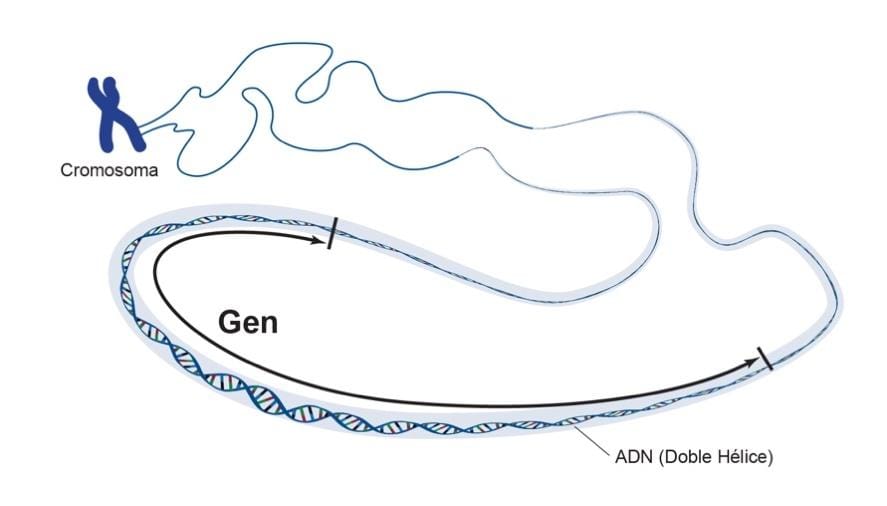
Las enfermedades genéticas son aquellas que se producen por una alteración en el ADN, el material genético que contiene las instrucciones para el funcionamiento del organismo. Estas alteraciones pueden ser hereditarias, transmitidas de padres a hijos, o espontáneas, es decir, que ocurren de forma aleatoria. En el caso de las enfermedades genéticas hereditarias, la alteración en el ADN se produce en un gen heredado de uno o de ambos padres. Los genes son segmentos de ADN que contienen las instrucciones para la producción de proteínas.

Cuando un gen está alterado, puede producir una proteína defectuosa o no producir ninguna. Esto puede provocar una alteración en el funcionamiento del organismo y, en consecuencia, una enfermedad, como es el caso de la fibrosis quística o de la enfermedad de Huntington, por ejemplo.

Las enfermedades genéticas espontáneas, en cambio, producen una alteración en el ADN de un individuo sin que exista una causa hereditaria. Estas alteraciones pueden ocurrir en cualquier momento de la vida, incluso en el de la concepción.  Este tipo de mutaciones espontáneas pueden ser responsables de enfermedades raras como la acondroplasia y de la leucodistrofia asociada al gen TUBB4A, entre muchas otras.


Diagnóstico temprano y cribado genético

Un diagnóstico temprano permite hacer una intervención a tiempo y, por lo tanto, aumentar las probabilidades de darle a los pacientes con enfermedades genéticas una mejor calidad de vida y un tratamiento más adecuado.En nuestra fundación de ayuda social creemos que es fundamental la concienciación sobre el cribado genético. Este es un conjunto de pruebas que se realizan para detectar la presencia de alteraciones en el ADN.

Estos exámenes se pueden realizar incluso antes del embarazo, ya que permiten detectar si una pareja tiene un riesgo alto de transmitir enfermedades hereditarias. En estos casos, el cribado genético determina si alguno de los padres es portador, es decir, si tiene algún gen alterado, algo que puede suceder aun cuando la persona no presenta ningún síntoma de enfermedad.


El cribado genético neonatal

El estudio de cribado genético neonatal se puede hacer a través de análisis bioquímicos o a través de pruebas genéticas. Ambos métodos permiten detectar diferentes enfermedades, por lo que se suelen usar de forma complementaria. La detección temprana puede significar un cambio radical en la calidad de vida de los pacientes con enfermedades genéticas, y estos análisis permiten detectarlas desde la primera infancia.

A modo de ejemplo, si se detecta fenilcetonuria, los médicos pueden diseñar una dieta que ayude a prevenir la acumulación de fenilalanina, lo que minimizaría los potenciales daños de la enfermedad a futuro. Estos estudios también ayudan a detectar enfermedades que aparecerán en la adultez, pero que pueden ser tratadas desde la infancia, como es el caso de la enfermedad de Wilson.

Por todas estas ventajas es que algunos países ya están avanzando en programas de ayuda a la infancia que incluyen este tipo de estudios en sus planes de salud.
Los avances en la genómica

La genómica es el estudio del genoma, que es el conjunto completo de genes de un organismo. Para decirlo más simple, la genómica es el estudio de nuestro ADN, por lo que nos ayuda a comprender cómo funciona nuestro organismo y cómo se producen las enfermedades.

Los avances en esta ciencia están permitiendo tratamientos más específicos y efectivos. La edición del genoma para desarrollar terapias ha generado avances en tratamientos contra enfermedades raras como la anemia falciforme y la enfermedad de Tay-Sachs.

Una de las técnicas de terapia genómica más esperanzadoras es el CRISPR. Esta herramienta permite «editar» el ADN de las células y se utiliza para corregir mutaciones genéticas que causan enfermedades, así como para introducir nuevos genes en el genoma. Por ejemplo, el uso de CRISPR permitió que la leucemia linfoblástica aguda de células T de una entrara en remisión.

Este tipo de ejemplos deja muy clara la necesidad de mayor inversión en investigación en torno a las enfermedades raras. El desarrollo de nuevos métodos de diagnóstico y tratamiento solo es posible a través de los esfuerzos de investigación; y estos, a su vez, suelen depender de alcanzar mayores niveles de concienciación en la población general.


El enfoque integral en el cuidado de pacientes con enfermedades

genéticas

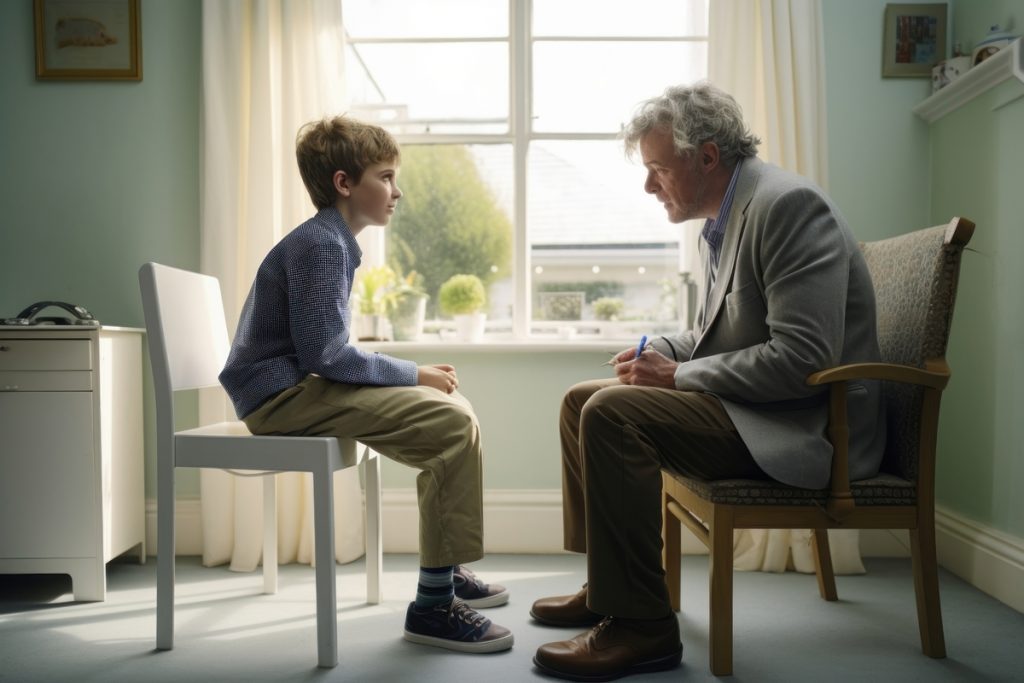
Desde nuestro proyecto solidario, así como desde otras asociaciones que trabajan con enfermedades neurodegenerativas, insistimos en que el cuidado de pacientes con enfermedades genéticas requiere de un enfoque de atención integral que abarque aspectos médicos, psicológicos y sociales. Solo este enfoque otorga el equilibrio necesario para proteger la salud física y mental de los pacientes con enfermedades genéticas raras, y de sus familias.

De poco serviría que se avance en medicina genómica si los planes de salud no contemplan la necesidad de un apoyo emocional, tanto para el paciente como para sus familias.Los pacientes atraviesan diferentes etapas de ánimo desde el momento del diagnóstico, y en cada una de esas etapas requieren de ayuda y acompañamiento profesional y de contención afectiva por parte de sus comunidades y redes de contención.

Por otro lado, los aspectos sociales también deben ser tenidos en cuenta. Esto implica muchas aristas, que incluyen invertir en la concienciación de la población general sobre lo que es una enfermedad rara y cómo se sienten los pacientes que las padecen, así como educar a los niños para evitar el acoso contra quienes se sienten diferentes, que el estado cree instituciones dedicadas a la investigación de enfermedades genéticas y que apoye a las asociaciones benéficas que trabajan en estos temas. Este enfoque integral es la mejor alternativa si realmente se quiere mejorar la calidad de vida de quienes sufren enfermedades neurodegenerativas y enfermedades genéticas, ya que brinda soporte médico y apoyo emocional durante el tiempo que dure el tratamiento, que en muchos casos es toda la vida.
Close Menu
We use cookies to personalise content and ads, to provide social media features and to analyse our traffic. We also share information about your use of our site with our social media, advertising and analytics partners.
Cookies settings
Accept
Privacy & Cookie policy
Privacy & Cookies policy
Cookie name Active

Privacy Policy

What information do we collect?

We collect information from you when you register on our site or place an order. When ordering or registering on our site, as appropriate, you may be asked to enter your: name, e-mail address or mailing address.

What do we use your information for?

Any of the information we collect from you may be used in one of the following ways: To personalize your experience (your information helps us to better respond to your individual needs) To improve our website (we continually strive to improve our website offerings based on the information and feedback we receive from you) To improve customer service (your information helps us to more effectively respond to your customer service requests and support needs) To process transactions Your information, whether public or private, will not be sold, exchanged, transferred, or given to any other company for any reason whatsoever, without your consent, other than for the express purpose of delivering the purchased product or service requested. To administer a contest, promotion, survey or other site feature To send periodic emails The email address you provide for order processing, will only be used to send you information and updates pertaining to your order.

How do we protect your information?

We implement a variety of security measures to maintain the safety of your personal information when you place an order or enter, submit, or access your personal information. We offer the use of a secure server. All supplied sensitive/credit information is transmitted via Secure Socket Layer (SSL) technology and then encrypted into our Payment gateway providers database only to be accessible by those authorized with special access rights to such systems, and are required to?keep the information confidential. After a transaction, your private information (credit cards, social security numbers, financials, etc.) will not be kept on file for more than 60 days.

Do we use cookies?

Yes (Cookies are small files that a site or its service provider transfers to your computers hard drive through your Web browser (if you allow) that enables the sites or service providers systems to recognize your browser and capture and remember certain information We use cookies to help us remember and process the items in your shopping cart, understand and save your preferences for future visits, keep track of advertisements and compile aggregate data about site traffic and site interaction so that we can offer better site experiences and tools in the future. We may contract with third-party service providers to assist us in better understanding our site visitors. These service providers are not permitted to use the information collected on our behalf except to help us conduct and improve our business. If you prefer, you can choose to have your computer warn you each time a cookie is being sent, or you can choose to turn off all cookies via your browser settings. Like most websites, if you turn your cookies off, some of our services may not function properly. However, you can still place orders by contacting customer service. Google Analytics We use Google Analytics on our sites for anonymous reporting of site usage and for advertising on the site. If you would like to opt-out of Google Analytics monitoring your behaviour on our sites please use this link (https://tools.google.com/dlpage/gaoptout/)

Do we disclose any information to outside parties?

We do not sell, trade, or otherwise transfer to outside parties your personally identifiable information. This does not include trusted third parties who assist us in operating our website, conducting our business, or servicing you, so long as those parties agree to keep this information confidential. We may also release your information when we believe release is appropriate to comply with the law, enforce our site policies, or protect ours or others rights, property, or safety. However, non-personally identifiable visitor information may be provided to other parties for marketing, advertising, or other uses.

Registration

The minimum information we need to register you is your name, email address and a password. We will ask you more questions for different services, including sales promotions. Unless we say otherwise, you have to answer all the registration questions. We may also ask some other, voluntary questions during registration for certain services (for example, professional networks) so we can gain a clearer understanding of who you are. This also allows us to personalise services for you. To assist us in our marketing, in addition to the data that you provide to us if you register, we may also obtain data from trusted third parties to help us understand what you might be interested in. This ‘profiling’ information is produced from a variety of sources, including publicly available data (such as the electoral roll) or from sources such as surveys and polls where you have given your permission for your data to be shared. You can choose not to have such data shared with the Guardian from these sources by logging into your account and changing the settings in the privacy section. After you have registered, and with your permission, we may send you emails we think may interest you. Newsletters may be personalised based on what you have been reading on theguardian.com. At any time you can decide not to receive these emails and will be able to ‘unsubscribe’. Logging in using social networking credentials If you log-in to our sites using a Facebook log-in, you are granting permission to Facebook to share your user details with us. This will include your name, email address, date of birth and location which will then be used to form a Guardian identity. You can also use your picture from Facebook as part of your profile. This will also allow us and Facebook to share your, networks, user ID and any other information you choose to share according to your Facebook account settings. If you remove the Guardian app from your Facebook settings, we will no longer have access to this information. If you log-in to our sites using a Google log-in, you grant permission to Google to share your user details with us. This will include your name, email address, date of birth, sex and location which we will then use to form a Guardian identity. You may use your picture from Google as part of your profile. This also allows us to share your networks, user ID and any other information you choose to share according to your Google account settings. If you remove the Guardian from your Google settings, we will no longer have access to this information. If you log-in to our sites using a twitter log-in, we receive your avatar (the small picture that appears next to your tweets) and twitter username.

Children’s Online Privacy Protection Act Compliance

We are in compliance with the requirements of COPPA (Childrens Online Privacy Protection Act), we do not collect any information from anyone under 13 years of age. Our website, products and services are all directed to people who are at least 13 years old or older.

Updating your personal information

We offer a ‘My details’ page (also known as Dashboard), where you can update your personal information at any time, and change your marketing preferences. You can get to this page from most pages on the site – simply click on the ‘My details’ link at the top of the screen when you are signed in.

Online Privacy Policy Only

This online privacy policy applies only to information collected through our website and not to information collected offline.

Your Consent

By using our site, you consent to our privacy policy.

Changes to our Privacy Policy

If we decide to change our privacy policy, we will post those changes on this page.
Save settings
Cookies settings